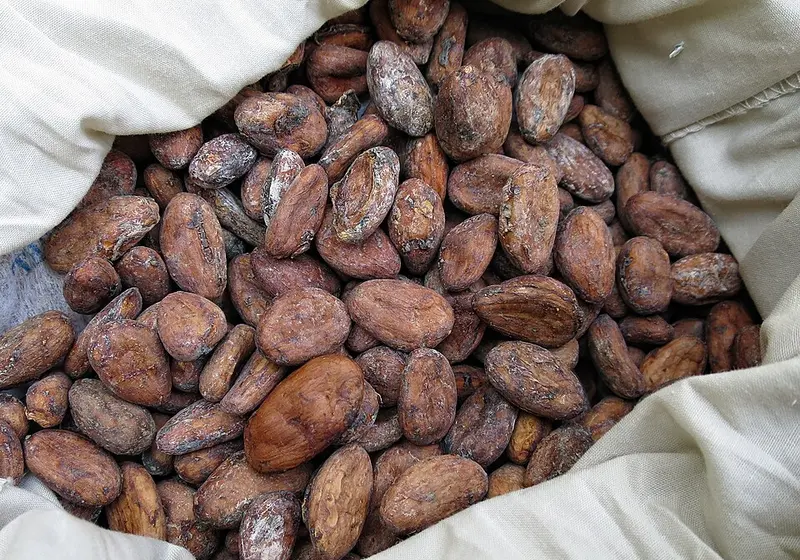
Superfood guide
Cocoa bean extract benefits: blood flow, heart and brain
What cocoa flavanols really do for blood flow, blood pressure and the heart, cocoa extract vs cocoa powder, how much to take and how to choose a supplement.
From kitchen staple to everyday ingredient.
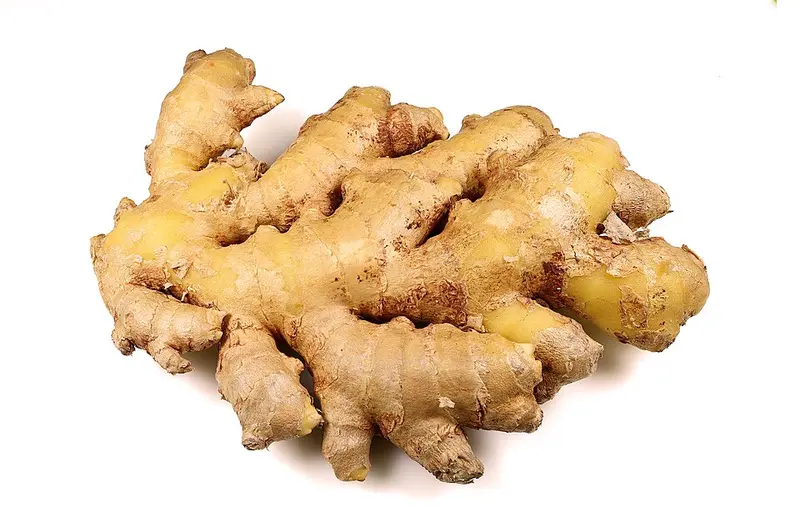
Ginger is the root of a leafy plant from South-East Asia. Most of us keep a knob of it for cooking, but people have used it for upset stomachs for a very long time, and that is still the thing it is best known for. So what are the real ginger benefits, and which ones are just wishful thinking?
We read the research summaries from the US National Center for Complementary and Integrative Health (NCCIH) and the bigger reviews, and checked the nutrition numbers against USDA data. Here's what holds up.
Quick answer
Ginger contains strong-tasting compounds called gingerols, and when it's dried or cooked, some turn into shogaols. These give ginger its heat and are what most studies look at. Here's how the main uses stack up, best evidence first.
The best-studied use of ginger is nausea. NCCIH says research shows ginger may help with nausea and vomiting in pregnancy. A 2014 review of 12 trials with about 1,280 pregnant women found ginger improved nausea compared with a placebo. It didn't clearly cut the number of times women were sick, and it didn't raise the risk of miscarriage, heartburn or drowsiness. Lower doses, under 1.5 g a day, seemed to work at least as well as higher ones. The studies were small and not great quality, so it's a "may help", not a sure thing.
For sickness after surgery and nausea from chemotherapy, NCCIH says it's unclear whether ginger adds anything to normal treatment. For travel sickness, most studies haven't found it helpful. If ginger biscuits make you feel better on a long drive, that's fine, but don't rely on them.
NCCIH says ginger supplements may reduce how bad period cramps feel. A 2020 review found ginger lowered pain scores compared with placebo. A Cochrane review of supplements for period pain, though, rated all the evidence as low quality, because the trials were small. So it's worth a try, but the proof is thin.
A 2015 review of five trials with about 590 people with osteoarthritis found ginger eased pain and made everyday movement a little easier compared with placebo. The effect was modest. People taking ginger were also more likely to drop out of the studies because of side effects. NCCIH adds that much of this research is poor quality, and ginger creams and gels haven't been shown to help.
Ginger may also help food move through the stomach a little faster, which is why a lot of people like a ginger tea after a heavy meal. The evidence here is weaker than for nausea, but it's a gentle, low-risk thing to try.
You'll see ginger sold for weight loss, blood sugar, colds, cholesterol and even cancer. Some small studies look interesting, but none of these are well proven. Ginger is a great spice. It isn't a medicine you can skip your treatment for.
Hardly any, in the amounts you actually use. A teaspoon of fresh grated ginger is under 2 calories, and a teaspoon of ground ginger is about 6. Fresh ginger is mostly water, so it has far fewer calories by weight than the dried powder.
| Amount | Calories | Carbs | Potassium |
|---|---|---|---|
| Fresh ginger, 1 tsp (2 g) | 1.6 kcal | 0.4 g | 8 mg |
| Fresh ginger, 5 slices (11 g) | 9 kcal | 2 g | 46 mg |
| Fresh ginger, 100 g | 80 kcal | 17.8 g | 415 mg |
| Ground ginger, 1 tsp (1.8 g) | 6 kcal | 1.3 g | 24 mg |
| Ground ginger, 1 tbsp (5.2 g) | 17 kcal | 3.7 g | 69 mg |
| Ground ginger, 100 g | 335 kcal | 71.6 g | 1,320 mg |
Source: USDA FoodData Central, "Ginger root, raw" (FDC 169231) and "Spices, ginger, ground" (FDC 170926). Portion weights are USDA's own; slices are about 1 inch across.
So whether you grate it into tea or stir a spoon of powder into a curry, ginger will barely touch your calorie count. If you are watching calories, keep an eye on what goes with it instead, like the honey in ginger tea or the sugar in ginger biscuits.
They are cousins, both roots from the same plant family, and they look alike from the outside. Turmeric is orange inside and earthy; ginger is pale yellow and hot. Gram for gram, ground turmeric has slightly fewer calories than ground ginger (312 vs 335 per 100 g). But a teaspoon of turmeric weighs more, so per teaspoon it comes out at about 9 calories against ginger's 6. For the full story on turmeric, read our turmeric guide, or try our turmeric and ginger tea.
As food: the ginger you use in cooking, teas and smoothies is fine for most people. A thumb-sized piece in a tea, or a teaspoon of ground ginger in a curry, is a normal amount.
As a supplement: NCCIH says oral ginger has been used safely in many studies. In the pregnancy review mentioned above, doses under 1.5 g a day seemed to work at least as well as higher ones. For a sense of scale, a teaspoon of ground ginger weighs about 1.8 g. Capsules are much easier to overdo than a cup of tea, so stick to the label and talk to your doctor or pharmacist first if you have a health condition.
Ginger is gentle, but it isn't side-effect free, especially in bigger doses. NCCIH lists:
A few groups should check with a doctor or pharmacist before taking ginger supplements or large amounts:
Ginger and turmeric work really well together. Try one of these:
 Drink · 12 minTurmeric tea (fresh or ground)
 Drink · 7 minGolden milk (turmeric latte)
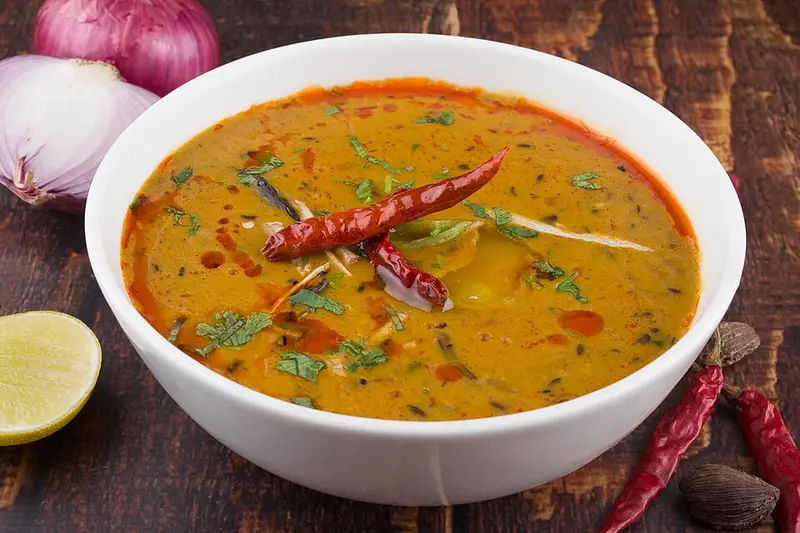 Main · 40 minEveryday dal with turmeric
The best evidence is for nausea in pregnancy. Ginger may also ease period pain and help a little with knee arthritis pain, but those studies are small. It probably doesn't help much with travel sickness.
A teaspoon of fresh grated ginger (2 g) has about 1.6 calories, and a teaspoon of ground ginger (1.8 g) has about 6 calories, according to USDA FoodData Central.
Yes, in normal food amounts. Ginger in cooking, tea or smoothies every day is fine for most people. If you want to take daily ginger supplements, check with your doctor or pharmacist first, especially if you take medicines.
It might, a little, in large amounts. Lab studies suggest ginger can affect blood clotting, and there are a few case reports of problems in people taking warfarin. Cooking amounts are unlikely to matter, but talk to your doctor before taking ginger supplements if you're on blood thinners.
Ginger in food is fine, and research suggests it may help with morning sickness. NCCIH says ginger supplements in pregnancy may be safe, but you should talk to your doctor or midwife before taking them.
There's no good evidence that it does. Ginger is very low in calories, so it's an easy way to add flavour without adding much, but it isn't a fat burner.
This article is for general information and is not medical advice. Talk to your doctor before changing your diet or taking supplements.
Read next
Superfood guide
What cocoa flavanols really do for blood flow, blood pressure and the heart, cocoa extract vs cocoa powder, how much to take and how to choose a supplement.
Superfood guide
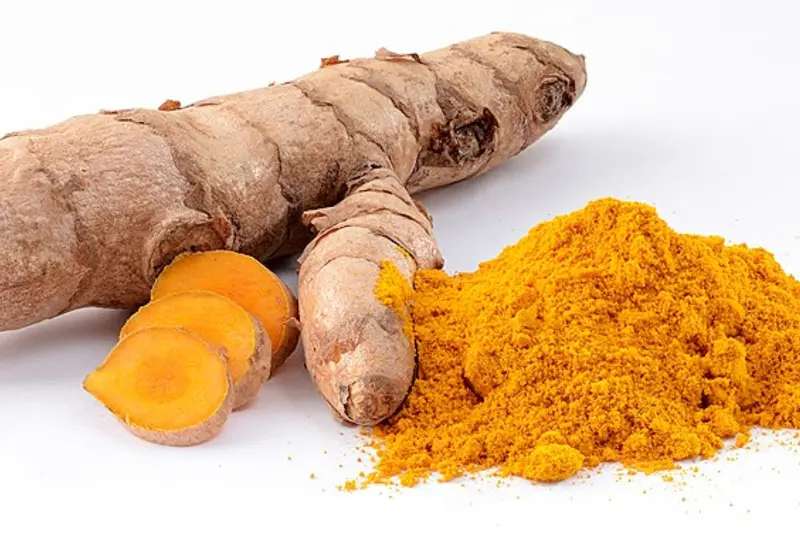
The honest guide: calories per teaspoon, what the research says about curcumin, 10 side effects worth knowing, and easy ways to use it.
Superfood guide
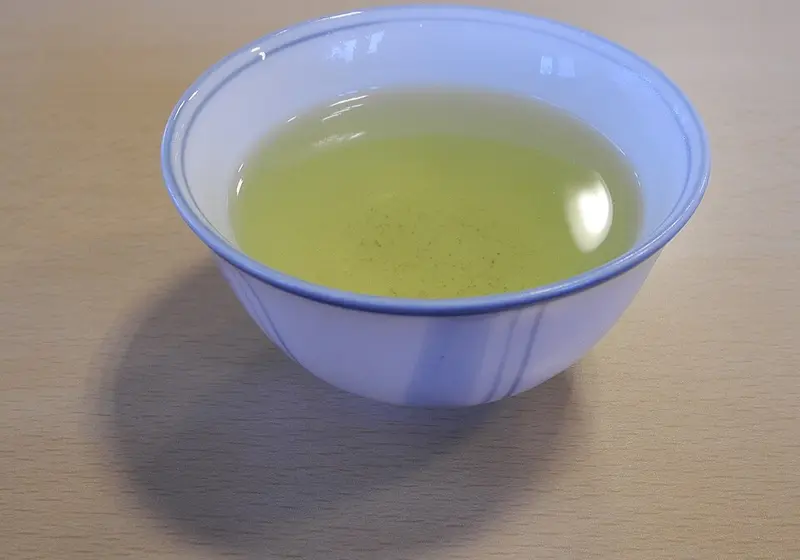
Green tea is gentle on caffeine and rich in antioxidants. The secret to a smooth cup is cooler water.
Loading comments…