
Superfood guide
Get to know ginger
From kitchen staple to everyday ingredient.
What cocoa flavanols really do for blood flow, blood pressure and the heart, cocoa extract vs cocoa powder, how much to take and how to choose a supplement.
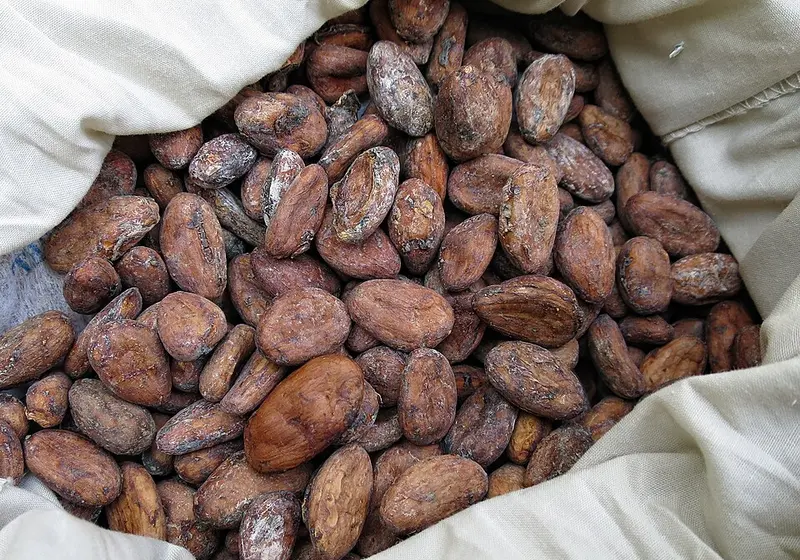
Cocoa bean extract is everywhere now: in capsules, in powder sticks you stir into coffee, and on the ingredient list of "heart health" and "circulation" supplements. The big promise is better blood flow. And unusually for a supplement, there's some decent research behind it.
But there's also a lot of confusion. Is cocoa extract the same as cocoa powder? Can you just eat dark chocolate? How much do you need, and is it safe? This guide covers the cocoa bean extract benefits that hold up, the ones that don't, and how to pick a product if you decide to try one.
Quick answer

Cocoa beans are the seeds of the cacao tree (Theobroma cacao). Raw beans are packed with flavanols, a group of antioxidant compounds. The main ones are epicatechin, catechin and procyanidins. Epicatechin seems to be the one that matters most for blood vessels.
The problem is that normal chocolate-making destroys most of them. Fermenting, roasting and especially "Dutching" (treating cocoa with an alkali to make it darker and milder) all knock flavanols down. So cocoa extract is made from minimally processed beans, and the flavanols are pulled out with water or a food-grade solvent and concentrated into a powder. A good extract tells you exactly how many milligrams of flavanols you get per serving.
Cocoa extract also contains small amounts of caffeine and a related stimulant called theobromine, which is the reason chocolate gives some people a little lift.
Cocoa flavanols are one of the better-studied plant compounds out there, including one very large trial. Here's what it found, with honest grades.
| Benefit | Evidence | What studies found |
|---|---|---|
| Blood vessel function and blood flow | Moderate | Consistent improvement in how well arteries widen (flow-mediated dilation) |
| Blood pressure | Moderate | Small drop of about 2 mmHg on average |
| Heart attacks and strokes | Mixed | Big trial: 10% fewer events, not statistically significant; 27% fewer heart-related deaths |
| Insulin sensitivity | Low to moderate | Small improvements in short trials |
| Cholesterol | Weak | Tiny or no changes for most people |
| Memory and thinking | Weak | No overall effect in large trials; possible help for people with poor diets |
| Inflammation | Early | Lower CRP (an inflammation marker) in one trial analysis |
| Skin | Weak | Small studies, mixed results |
Most studies used cocoa flavanol supplements or high-flavanol cocoa drinks, not regular chocolate.
This is the headline benefit, and it's the most solid. Cocoa flavanols help the lining of your blood vessels make nitric oxide, a molecule that relaxes and widens arteries. In a meta-analysis of trials, regular cocoa flavanol intake improved flow-mediated dilation (a standard test of how well arteries open up), and the effect was even bigger in the hours right after a dose.
It's strong enough that European food regulators approved a health claim: "Cocoa flavanols help maintain the elasticity of blood vessels, which contributes to normal blood flow." The condition is 200 mg of cocoa flavanols a day. That's a high bar to clear, as most supplement claims get rejected.
A Cochrane review of 35 trials found cocoa flavanols lowered blood pressure by about 1.8 mmHg (both top and bottom numbers) over a few weeks. A newer 2026 analysis found a slightly bigger effect on the top number, around 2.7 mmHg. That's real but small. For comparison, cutting back on salt or losing a few kilos often does more. Cocoa extract is not a replacement for blood pressure medicine.
COSMOS is the big one. More than 21,000 older adults in the US took either 500 mg of cocoa flavanols a day or a placebo for about three and a half years. The results:
So: encouraging, not conclusive. Worth knowing too: the trial was partly supported by Mars, which makes cocoa extract products, though it was run independently by Harvard-affiliated researchers.
Short trials suggest cocoa flavanols can modestly improve insulin sensitivity, mainly by lowering insulin levels. Effects on fasting glucose are small. If you have diabetes, a cocoa extract won't move the needle much on its own, and chocolate itself comes with sugar.
This is where the hype runs ahead of the science. Three COSMOS sub-studies tested memory and thinking. Overall, cocoa extract made no difference. One study did find improved memory in people whose usual diets were low in flavanols or poor quality, which suggests it may help people who aren't getting much from food, but it isn't a brain booster for everyone.
In a 2025 analysis from COSMOS, people taking cocoa extract had slowly falling levels of CRP, a blood marker of inflammation, compared with placebo. Interesting, but early. Skin studies (sun sensitivity, hydration) are small and the results are mixed.
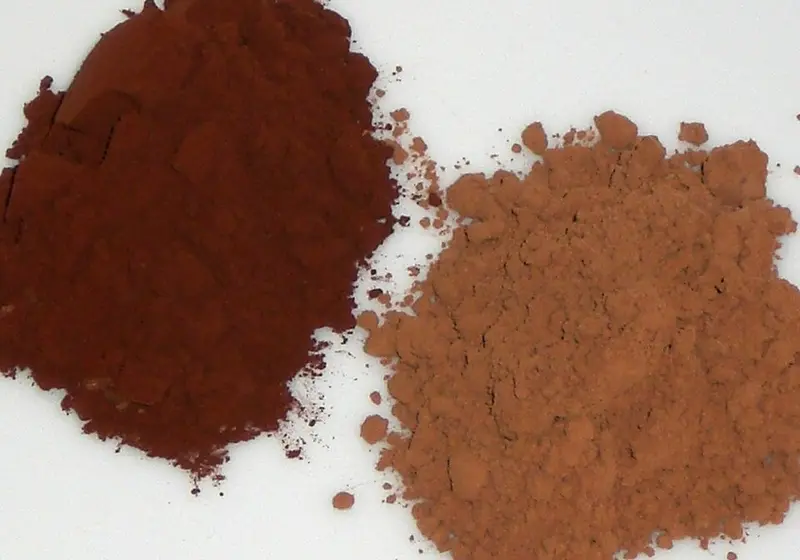
Can you skip the supplement and just use cocoa powder? Sometimes, yes. It depends on the type.
| Source | Flavanols | Good to know |
|---|---|---|
| Cocoa extract supplement | Usually 200 to 500 mg per serving, stated on the label | Most reliable dose; little sugar or fat; small amount of caffeine |
| Natural cocoa powder, 1 tbsp | Roughly 150 to 200 mg (estimate) | Lighter brown, more bitter; varies a lot by brand |
| Dutch-processed cocoa, 1 tbsp | Much lower, roughly 20 to 75 mg (estimate) | Darker and milder; Dutching removes most flavanols |
| Dark chocolate | Varies hugely, often low | Also brings sugar, fat and calories |
| Milk chocolate | Very low | Not a meaningful source |
Cocoa powder estimates are based on lab tests of natural and alkalised cocoa (about 35 mg/g vs 4 to 14 mg/g) and a 5 to 6 g tablespoon.
The takeaway: unsweetened natural (non-Dutched) cocoa powder is a cheap, real-food way to get flavanols. A heaped tablespoon stirred into porridge, a smoothie or hot milk gets you close to the 200 mg used in the EU claim. Check the label: if it says "processed with alkali", "Dutch-processed" or "alkalised", most of the flavanols are gone. Dark chocolate is a treat, not a flavanol supplement.
What about cacao vs cocoa? "Cacao" products are usually less heavily processed, so they can be higher in flavanols, but the word isn't regulated. A natural cocoa powder can be just as good as an expensive "raw cacao" one.
Effects on blood vessels show up within hours but fade within a day, so it's a daily-habit thing rather than a one-off.
Cocoa supplements vary wildly, and plenty don't tell you what you actually need to know. Look for:
You'll see blends that combine pomegranate extract with cacao (cocoa) seed extract, sold for heart health, energy or skin. Each ingredient has some research on its own, but we couldn't find good trials on the combination. If you buy one, check that it lists the actual cocoa flavanol content, because blends often contain very little.
For most adults, cocoa extract is well tolerated. In the big COSMOS trial there were no safety concerns. Things to watch for:
Some people searching for a cocoa extract recipe mean the flavouring, like vanilla extract, not the supplement. You can make it at home: put about 55 to 60 g (roughly 1/2 cup) of toasted cacao nibs in a clean jar with a 750 ml bottle of vodka. Seal it, keep it somewhere cool and dark, shake it daily, and taste from day 3. Strain through a coffee filter after 1 to 2 weeks, before the flavour turns harsh. It's lovely in brownies and frostings, but it's a flavouring with almost no flavanols, not a health product.
If your main goal is healthy blood vessels and blood flow, cocoa flavanols have better evidence than most supplements, and natural cocoa powder is an easy, cheap way to get them from food. A supplement makes sense if you want a reliable dose without the sugar and calories of chocolate. Just keep expectations realistic: a small help for blood pressure and circulation, not a cure, and not a memory pill. It works best alongside the basics: plenty of plants, regular movement, good sleep and not smoking.
Its best-supported benefit is healthier blood vessels and normal blood flow, thanks to cocoa flavanols. It also lowers blood pressure slightly. Evidence for memory, weight loss or skin is weak.
No. Cocoa powder is ground, defatted cocoa beans. Cocoa extract is a concentrate of the flavanols, usually from minimally processed beans, with a stated dose. Natural (non-Dutched) cocoa powder still contains a fair amount of flavanols; Dutch-processed cocoa has much less.
A little. Reviews of trials found an average drop of about 2 mmHg. That can help a bit alongside other habits, but it's no substitute for blood pressure medication.
Yes, a small amount, usually around 20 to 30 mg per serving, plus theobromine. That's less than a cup of coffee, but enough to affect sleep in sensitive people.
For flavanols, an extract or natural cocoa powder is better. Most dark chocolate has far fewer flavanols than people think, and it comes with sugar, fat and calories.
Many people take it with breakfast or lunch. Taking it with food is gentler on the stomach, and earlier in the day avoids any caffeine affecting your sleep.
This article is for general information and is not medical advice. Talk to your doctor before changing your diet or taking supplements.
Read next
Superfood guide
From kitchen staple to everyday ingredient.
Superfood guide
The honest guide: calories per teaspoon, what the research says about curcumin, 10 side effects worth knowing, and easy ways to use it.
Superfood guide
Green tea is gentle on caffeine and rich in antioxidants. The secret to a smooth cup is cooler water.
Loading comments…