
Superfood guide
Get to know ginger
From kitchen staple to everyday ingredient.
Strawberries, blueberries and raspberries are high in fibre and vitamin C. Frozen berries count too.
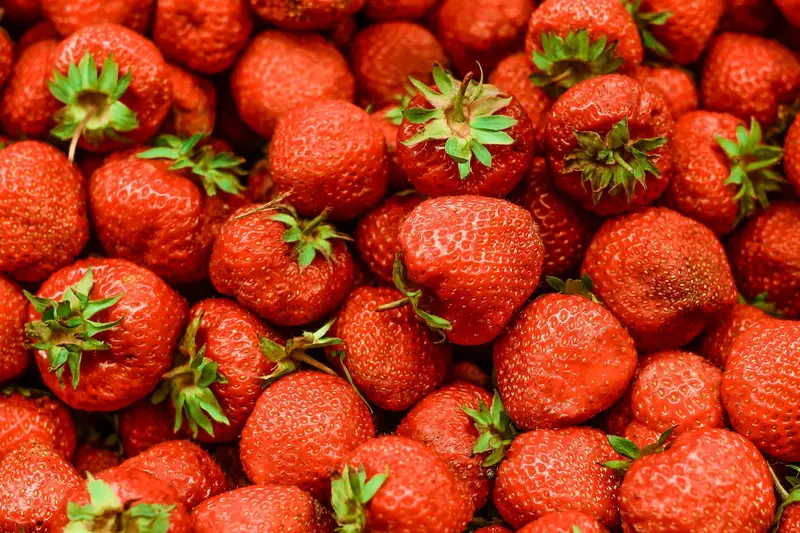
Berries are one of the easiest healthy foods to like. They are sweet, they need no cooking, and a handful turns plain porridge into something you actually look forward to. The health benefits of berries are real, too, though they're more "good everyday food" than "miracle cure".
So let's look at what's actually in them, using USDA nutrition data, and what the research says about hearts, blood sugar and brains. Then some simple ways to eat more without spending a fortune.
Quick answer
Three things make berries stand out from a lot of other fruit:
On top of that, berries are mostly water (about 84 to 91% by weight, per USDA), so you get a big bowl for not many calories.
Here are the numbers for a normal serving. We've used one US cup, which is about what you'd tip onto a big bowl of yoghurt.
| Berry (1 cup) | Calories | Fibre | Sugars | Vitamin C |
|---|---|---|---|---|
| Strawberries, halves (152 g) | 49 kcal | 3.0 g | 7.4 g | 89 mg |
| Raspberries (123 g) | 64 kcal | 8.0 g | 5.4 g | 32 mg |
| Blackberries (144 g) | 62 kcal | 7.6 g | 7.0 g | 30 mg |
| Blueberries (148 g) | 84 kcal | 3.6 g | 14.7 g | 14 mg |
Source: USDA FoodData Central (SR Legacy): strawberries FDC 167762, raspberries 167755, blackberries 173946, blueberries 171711. Cup weights are USDA's own. Values are rounded.
A few things jump out. Strawberries are the vitamin C champions: one cup gives about as much as the 90 mg daily value used on US food labels. Raspberries give you 8 g of fibre, which is more than a quarter of the 30 g a day the NHS recommends for adults (most of us only manage about 20 g). Blueberries have the most sugar of the four, but that is still well below many other fruits.
For comparison, per 100 g USDA lists strawberries at 4.9 g of sugar, raspberries at 4.4 g and blackberries at 4.9 g. Bananas have 12.2 g, mango 13.7 g and grapes 15.5 g.
Lots of headlines about berries come from lab studies on cells or animals. Here we've stuck to studies in people, and tried to be honest about how strong they are.
A 2016 meta-analysis pooled 22 randomised trials with about 1,250 people. Eating berries lowered LDL cholesterol a little (about 0.2 mmol/L) and systolic blood pressure by about 2.7 mmHg on average. Those are modest changes. But they come from a food you'd happily eat anyway, which is the point. There is also good evidence that eating more fibre in general is linked with a lower risk of heart disease.
The same review found small drops in fasting blood sugar and HbA1c, a longer-term blood sugar marker. Because berries are fairly low in sugar and high in fibre, they're a sensible fruit choice if you're watching your blood sugar. They don't replace any treatment, though.
This one is interesting but early. A 2019 systematic review found 11 small studies of blueberries and thinking skills, in children and older adults. Several showed benefits for memory and some kinds of thinking, but the studies were small and used different doses and tests. So, promising, not proven.
A 2023 Cochrane review of 50 studies found cranberry products probably cut the risk of repeat urinary tract infections in women who keep getting them, in children, and in people at risk after a medical procedure. It did not find a clear benefit for older people in care homes or for pregnant women. Most studies used cranberry juice or capsules, not fresh berries. And cranberries don't treat an infection you already have, so see a doctor for that.
You'll see claims that berries prevent cancer. Some lab and population studies point that way, but there's no solid proof from trials in people. Eating plenty of fruit and veg is a good idea for lots of reasons. Just don't expect berries to do the job alone.
Honestly, the best one is the one you'll actually eat. They're all good, they just shine in different ways:
Mixing them up gives you a bit of everything. A bag of frozen mixed berries is the easy way to do it.
Both are good. Frozen berries are usually picked ripe and frozen quickly. A US study that compared fresh and frozen produce found the vitamin levels in frozen fruit, including strawberries and blueberries, were similar to fresh and sometimes higher, because fresh produce can lose some vitamins over a few days in the fridge.
There's no special berry target. In the UK, the NHS counts 80 g of fruit as one of your 5 A Day. For berries that's about 7 strawberries, or two handfuls of frozen blueberries. A good daily aim is one portion of berries as part of your fruit and veg.
Watch out with juice and smoothies. Blending breaks up the fruit and frees the sugars, so the NHS counts juice and smoothies as one portion at most, however much you drink, and suggests no more than 150 ml a day in total.
Berries make a balanced breakfast easy: add some protein like yoghurt or eggs, some wholegrains, and a handful of fruit. If you want a warm drink on the side, a cup of green tea goes nicely. For more on fibre and vitamins, have a look at our nutrient guide.
Berries are high in fibre and vitamin C and low in calories and sugar for a fruit. Trials suggest eating them can slightly lower LDL cholesterol, blood pressure and blood sugar. Early studies on blueberries and memory are promising, and cranberry products can help prevent repeat urine infections in some groups.
Yes. Frozen berries are picked ripe and frozen quickly, and studies comparing fresh and frozen produce found similar vitamin levels, sometimes higher in frozen. Just pick plain frozen berries without added sugar or syrup.
Raspberries. One cup (123 g) has about 8 g of fibre according to USDA data, with blackberries close behind at about 7.6 g. Strawberries and blueberries have about 3 to 3.6 g per cup.
Not for a fruit. Strawberries, raspberries and blackberries have under 5 g of sugar per 100 g, and blueberries about 10 g. Bananas have about 12 g and grapes about 15.5 g per 100 g. Dried and sweetened berries are a different story, so check the label.
Yes. A portion of berries a day is a great habit for most people. In the UK, 80 g of fruit counts as one of your 5 A Day, which is about 7 strawberries or two handfuls of frozen blueberries.
They might, but it is too early to be sure. A systematic review of 11 small studies found some benefits for memory and thinking in children and older adults. The studies were small and varied, so more research is needed.
This article is for general information and is not medical advice. Talk to your doctor before changing your diet or taking supplements.
Read next
Superfood guide
From kitchen staple to everyday ingredient.
Superfood guide
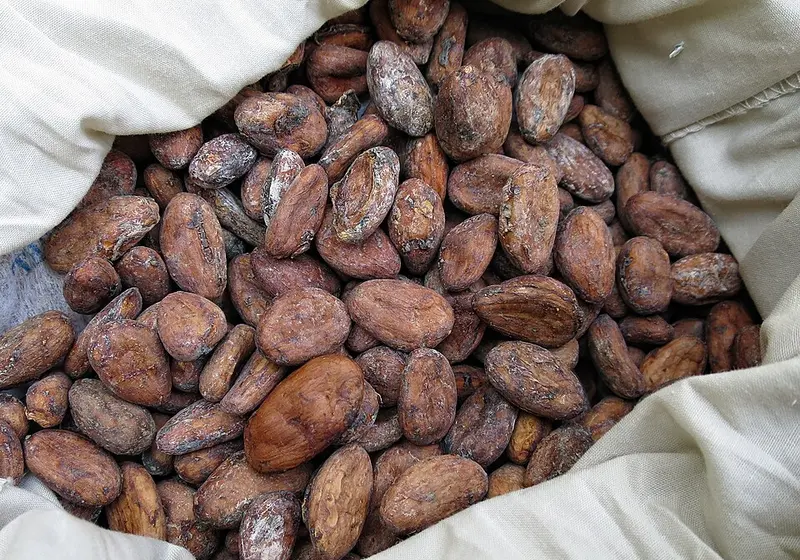
What cocoa flavanols really do for blood flow, blood pressure and the heart, cocoa extract vs cocoa powder, how much to take and how to choose a supplement.

Superfood guide
The honest guide: calories per teaspoon, what the research says about curcumin, 10 side effects worth knowing, and easy ways to use it.
Loading comments…