Recipe · Drink
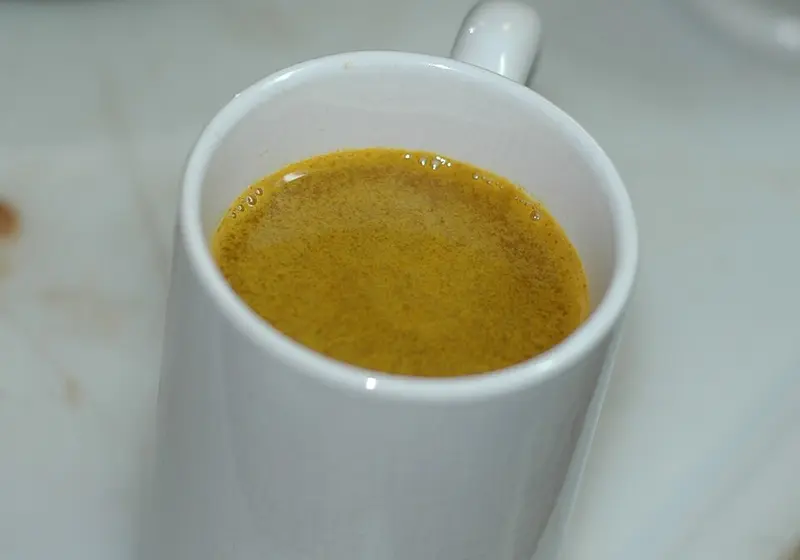
Turmeric tea (fresh or ground)
A simple, caffeine-free mug with ginger, lemon and black pepper. Ten minutes, and how to stop it tasting bitter.
Creamy yellow lentils with a sizzling cumin and garlic tadka. Cheap, filling and high in protein.
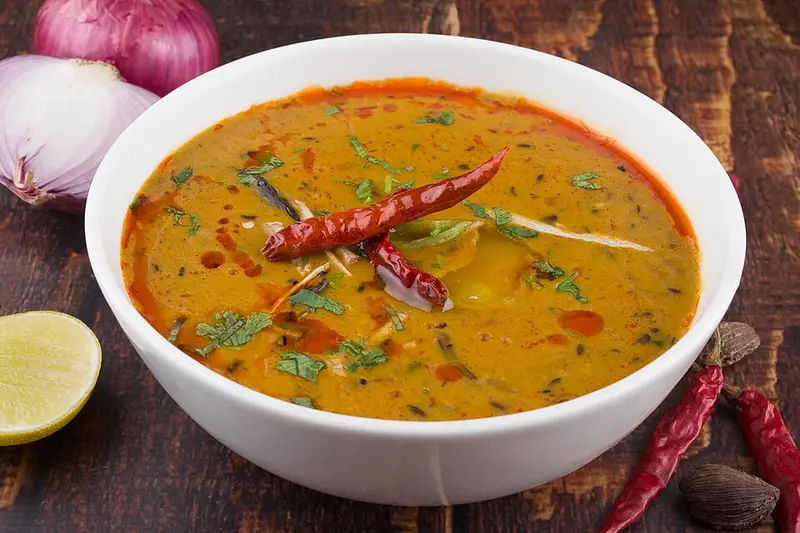
This is everyday dal, the kind that gets made in Indian homes most weeks. Yellow lentils simmered with turmeric until soft and creamy, then finished with a sizzling tadka of ghee, cumin, garlic and chilli poured over the top. It's cheap, filling, high in protein and fibre, and very forgiving.
Funny thing: Indian home cooks rarely use much turmeric. Even a big pot of dal usually gets a quarter to half a teaspoon. That's all you need for the colour and flavour. Use more and it starts tasting bitter. Below the recipe there's a full tadka guide, stovetop, pressure cooker and Instant Pot methods, the difference between dal tadka and dal fry, what to serve it with, and how to store it.
Quick version: simmer 1 cup rinsed moong dal with 3 cups water and 1/4 to 1/2 tsp turmeric until soft (20 to 25 min). Mash, salt, then pour over a tadka of ghee, cumin, garlic and dried chilli.
"Dal" means both split lentils (or beans) and the soupy dish made from them. Yellow moong dal is split, skinned mung beans. It cooks fast, has no need for soaking, and turns soft and creamy. Toor dal (also called arhar or tuvar dal) is split pigeon peas. It takes longer, has a nuttier, earthier taste, and is the base for many everyday dals and sambar. This recipe works with either; just adjust the cooking time.
Creamy yellow lentils with a sizzling cumin and garlic tadka. Cheap, filling and high in protein.
For the dal
For the tadka
To finish
Pressure cooker: cook the dal with 2 cups water, turmeric and oil. Moong dal needs 2 to 3 whistles, toor dal 3 to 4. Let the pressure drop, then stir in a cup of hot water. Instant Pot: 8 to 10 minutes on high pressure, then natural release.
Approx. per serving (1 of 4): about 245 calories and 12 g protein, made with moong dal and 2 tbsp ghee in the tadka. Worked out from USDA values.
Recipe from turmaslim.com/recipes/turmeric-dal.html
The tadka (also called tempering or chhonk) is where most of the flavour comes from. It's spices bloomed in hot fat, poured over the dal at the last minute. Get these right and your dal will taste like it came from someone's grandmother:
In a dal tadka, the cooked dal is finished with a tempering poured over the top at the end, like this recipe. In a dal fry, you cook onions, tomatoes and spices into a masala first, then mix the cooked dal into it and simmer, so the flavours are cooked through. Restaurant dal tadka often does both. At home, the simple tadka version is quicker and lighter.
| Method | Moong dal | Toor dal | Water to start |
|---|---|---|---|
| Stovetop pot | 20 to 25 min | 30 to 45 min (soaked) | 3 cups |
| Pressure cooker | 2 to 3 whistles | 3 to 4 whistles | 2 cups |
| Instant Pot | 8 min high + natural release | 10 to 12 min high + natural release | 2 cups |
Whichever method you use, add hot water after cooking to get the thickness you like.
Very. Lentils are one of the best-value sources of plant protein and fibre around, and they're low in fat until you add the tadka. A bowl of dal with rice gives you a filling, balanced meal. If you're watching calories, use 1 tablespoon of ghee in the tadka instead of 2, and serve with plenty of vegetables. For more on the turmeric that gives dal its colour, read our turmeric guide.
Dal keeps in the fridge for 3 to 4 days and freezes well for about 3 months. It sets thick when cold, so add water when you reheat and stir until it's smooth. For the best flavour, store the dal without the tadka, then make a fresh tadka just before serving.
Moong dal (split yellow mung beans) cooks faster and is lighter and creamier. Toor dal (split pigeon peas) takes longer and has a nuttier, earthier taste. Both work here.
About 1/4 to 1/2 teaspoon per cup of dry lentils. Add it with the cooking water so it cooks long enough to lose any raw taste.
No. Yellow moong dal cooks quickly without soaking. Soaking toor dal for 30 minutes to 2 hours speeds it up, especially if it's old.
Yes. Leave out the garlic and use a pinch of hing (asafoetida) and extra ginger in the tadka. That's a very common way to make it.
Usually a burnt tadka or too much turmeric. Fry garlic only to light golden, add powdered spices off the heat, and keep turmeric to 1/2 teaspoon per cup of dal.
Yes. Crush a teaspoon of dried fenugreek leaves between your palms and add it to the tadka off the heat, or stir it into the dal at the end. It gives a lovely, slightly bitter, restaurant-style flavour.
Dal is filling thanks to its protein and fibre, which can help you eat less overall. Keep the ghee in the tadka to about a tablespoon and serve it with vegetables and a modest portion of rice or roti.
Lentils release starch and protein that foam as they boil. Skim it off with a spoon, and add a teaspoon of oil or ghee to the pot to keep it from boiling over.
General information only, not medical advice.
Read next
Recipe · Drink
A simple, caffeine-free mug with ginger, lemon and black pepper. Ten minutes, and how to stop it tasting bitter.

Recipe · Drink
Haldi doodh, the warm turmeric milk Indian families swear by. Smooth, not gritty, in five minutes.
Recipe · Side dish
Bright, fluffy yellow rice in 25 minutes, and how much turmeric to use so it isn't bitter.
Loading comments…