
Superfood guide
Get to know ginger
From kitchen staple to everyday ingredient.
Green tea is gentle on caffeine and rich in antioxidants. The secret to a smooth cup is cooler water.
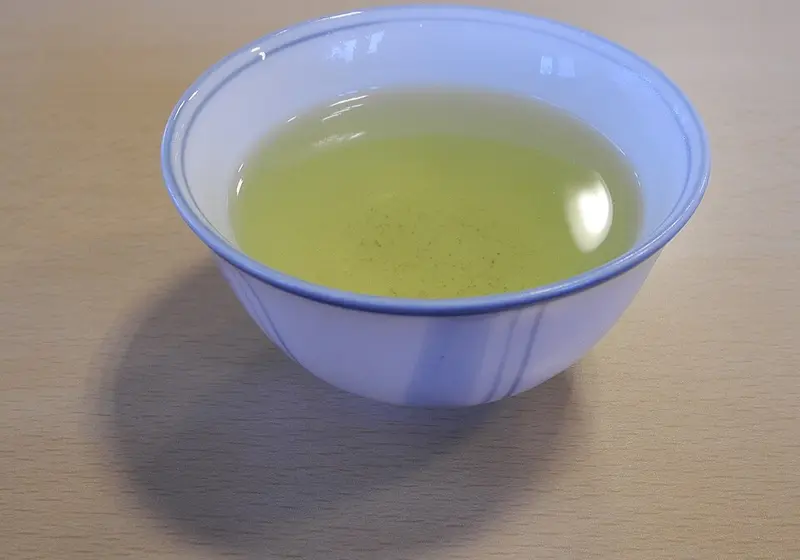
Green tea has a big reputation. It burns fat, it fights cancer, it keeps you young, or so the labels say. The real green tea benefits are smaller and less exciting than that, but it is still a great everyday drink. It has very few calories, less caffeine than coffee, and plenty of plant compounds that scientists are still studying.
The other thing nobody tells you is that most bitter green tea is just badly brewed. So this guide covers both: what the research actually says, and how to brew green tea so you want to drink it.
Quick answer
Green tea, black tea and oolong all come from the same plant, Camellia sinensis. The difference is what happens after picking. For green tea, the leaves are steamed or pan-fried and then dried, so they don't oxidise (tea people often call this fermenting). That keeps the leaves green and keeps more of the compounds called catechins. The main one is EGCG, and it's the one most studies focus on.
Green tea also has caffeine and an amino acid called L-theanine. That combination is probably why a lot of people find green tea gives a calmer kind of alertness than coffee.
Here is the honest picture, based on the US National Center for Complementary and Integrative Health (NCCIH) and the bigger reviews of the research. Keep in mind that a lot of studies use concentrated extracts, not the cup of tea in your hand.
This is the strongest one. In randomised trials, mostly of green tea extract supplements, green tea modestly lowered total and LDL ("bad") cholesterol. It didn't change HDL ("good") cholesterol or triglycerides. Helpful, but it won't replace a statin.
People in Asian countries who drink a lot of green tea have a lower risk of heart disease in some long-term studies. The same link doesn't show up clearly in Western countries. Those studies also can't prove the tea is the reason, because tea drinkers may differ in other ways.
A Cochrane review looked at green tea preparations in adults with overweight or obesity over about 12 weeks. In studies outside Japan, the average extra weight loss was 0.04 kg. That is basically nothing. Studies in Japan showed bigger effects, but they were too different from each other to combine. NCCIH sums it up as a possible "modest" effect from catechins and caffeine. So enjoy the tea, but don't count on it to shift weight.
A 2017 systematic review found some evidence that green tea may help attention, memory and calm, mostly in short studies. Interestingly, the effect seemed to come from caffeine and L-theanine together, not either one on its own.
There have been lots of studies on green tea and cancer risk, and the results are inconsistent. Right now nobody can honestly say green tea prevents cancer.
If you like warm drinks with a bit of research behind them, our guides to ginger and turmeric take the same honest approach.
Less than coffee, and usually less than black tea. But the amount moves a lot depending on the leaves, how much you use and how long you brew. A bigger mug or a longer brew means more caffeine.
| Drink (about 240 ml) | Caffeine | Calories |
|---|---|---|
| Green tea, brewed | about 29 mg (often 30 to 50 mg) | 2 kcal |
| Green tea, decaf | close to 0 mg | 0 kcal |
| Black tea, brewed | about 47 mg | 2 kcal |
| Coffee, brewed | about 95 mg | 2 kcal |
Based on USDA FoodData Central (SR Legacy) values for brewed drinks without milk or sugar. Real cups vary a lot with strength and size.
Matcha is a special case. You whisk the powdered leaf into water and drink all of it, so a cup usually has more caffeine than a tea bag brew.
For most healthy adults, the US Food and Drug Administration says up to 400 mg of caffeine a day is not usually linked with harmful effects. That leaves plenty of room for a few cups of green tea. If caffeine messes with your sleep, though, have your last cup by early afternoon. Our guide to evening habits for better sleep has more on this.
Bitterness almost always comes from two things: water that's too hot and leaves left in too long. Boiling water pulls out more of the bitter catechins and scorches delicate leaves. Fix those two and most green tea tastes sweet and grassy instead of harsh.
| Tea | Water | Time |
|---|---|---|
| Tea bags (most supermarket green tea) | 75 to 80°C | 2 to 3 min |
| Chinese loose leaf (like Dragon Well or gunpowder) | 75 to 85°C | 2 to 3 min |
| Japanese sencha | 70 to 80°C | 1 to 2 min |
| Matcha | 70 to 80°C | whisk, no steeping |
A starting point, not a rule. If your tea tastes bitter, go cooler and shorter. If it tastes weak, add more leaves.
Decent loose-leaf green tea can usually be steeped two or three times. Add 30 seconds or so to each round. It's a cheap way to get more cups out of a nicer tea.
Put 2 teaspoons of loose green tea in a jar with about 500 ml of cold water, put the lid on and leave it in the fridge for 6 to 8 hours. Strain and drink. Cold brewing gives a sweet, smooth taste with almost no bitterness.
Lemon, mint or a slice of fresh ginger all go well with green tea. A small spoon of honey is fine too, it just adds calories. If you want a caffeine-free cup for the evening, try our turmeric and ginger tea instead.
There isn't an official number. Two to four cups a day is a common amount and fits well under the caffeine guidance for most adults. Going much higher means more caffeine, which can bring on jitters, a racing heart, an upset stomach or poor sleep.
A nice way to fit it in is to swap one coffee for a green tea. You get a gentler lift with less caffeine. It goes nicely with a slower morning routine, too.
NCCIH says there are no safety concerns reported for green tea as a drink in adults, apart from the usual caffeine issues. Supplements are another story.
Extract pills also cause stomach upset, nausea, constipation and higher blood pressure in some people. There's no good reason to take them just for general health. The tea is the safer bet.
Yes, for most adults. A few cups a day is normal and has no known safety concerns beyond the caffeine. If you are pregnant, very sensitive to caffeine, or take medicines like nadolol, check with your doctor or pharmacist about how much is right for you.
Not by much. A Cochrane review found green tea preparations led to a very small weight loss that was not likely to matter in real life, and outside Japan the average difference was about 0.04 kg. It is a good low-calorie drink, but it is not a fat burner.
A cup of brewed green tea has roughly 30 to 50 mg of caffeine. USDA data puts brewed green tea at about 29 mg per cup and brewed coffee at about 95 mg. So green tea usually has a third to half the caffeine of coffee.
Usually the water is too hot or the tea has brewed too long. Use water at 70 to 80°C instead of boiling, brew for 2 to 3 minutes (1 to 2 for Japanese sencha), then take the bag or leaves out. Add more leaves if you want it stronger.
Any time that suits you, but because it has caffeine, it is best in the morning or early afternoon if you are sensitive. Some people find it gentler on the stomach with or after food rather than first thing on an empty stomach.
Green tea as a drink is not linked to liver problems for most people. Concentrated green tea extract supplements have been linked to rare liver injury, especially at high doses. If you take an extract and notice dark urine, yellow skin or eyes or tiredness, stop and see a doctor.
This article is for general information and is not medical advice. Talk to your doctor before changing your diet or taking supplements.
Read next
Superfood guide
From kitchen staple to everyday ingredient.
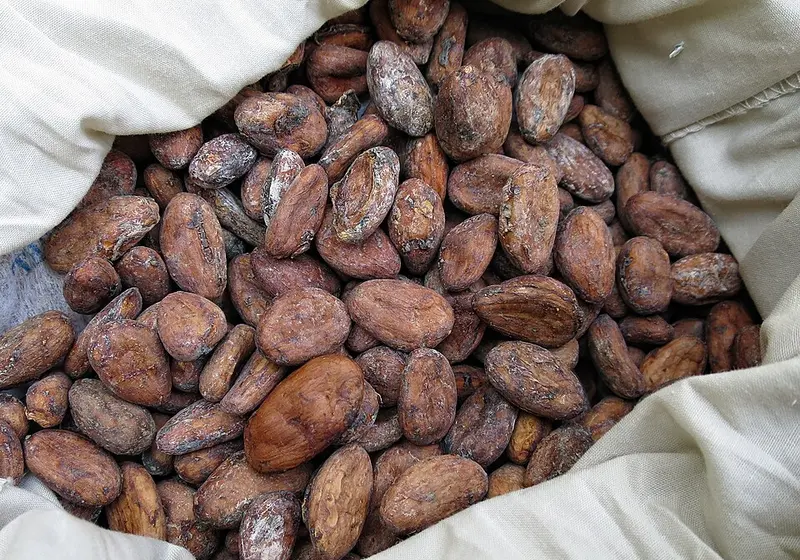
Superfood guide
What cocoa flavanols really do for blood flow, blood pressure and the heart, cocoa extract vs cocoa powder, how much to take and how to choose a supplement.
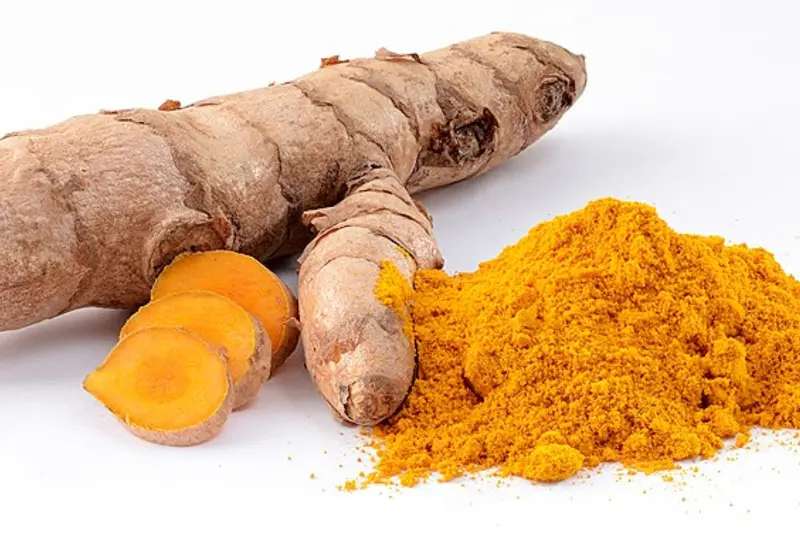
Superfood guide
The honest guide: calories per teaspoon, what the research says about curcumin, 10 side effects worth knowing, and easy ways to use it.
Loading comments…