Nutrition
Green banana benefits: resistant starch, gut health and blood sugar
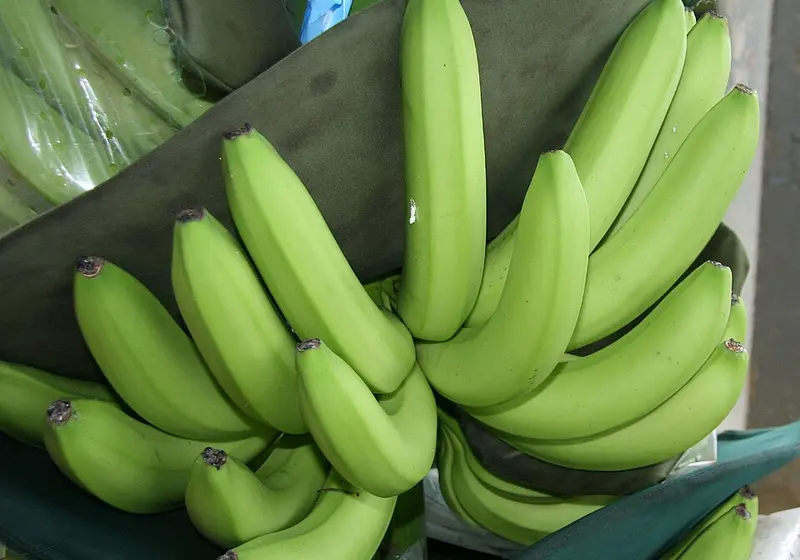
Why unripe bananas are good for your gut and blood sugar, green vs yellow nutrition, the bitter green banana weight loss trend, side effects and how to eat them.
A practical way to start your day with variety.
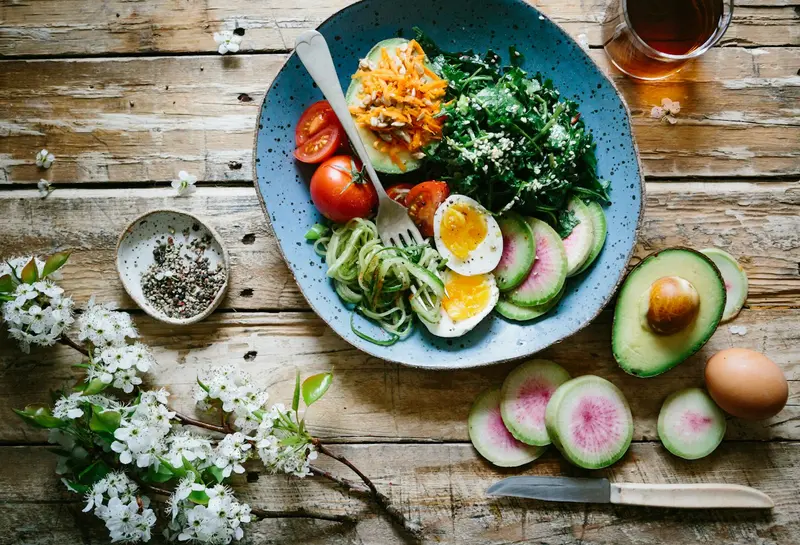
A healthy balanced breakfast is not about one perfect food. It is about putting a few different things on the plate so you stay full, keep your energy steady and do not end up raiding the biscuit tin at 10.30.
The good news is that it is easy once you know the pattern. You do not need to cook every morning, and you do not need fancy ingredients. Eggs, oats, yoghurt, bread, fruit and a few frozen vegetables will cover most days.
Quick answer: a balanced breakfast has four parts. Some protein (eggs, yoghurt, beans, tofu), some fibre-rich carbs (oats, wholegrain bread), some fruit or veg, and a little healthy fat (nuts, seeds, avocado). Aim to fill about half your plate or bowl with fruit and veg, a quarter with protein and a quarter with wholegrains.
Each part of the meal does a different job. When one is missing, you usually notice it a couple of hours later.
You do not have to tick every box every single day. But if your usual breakfast only covers one or two, adding the missing piece is the quickest win.
Here is an easy way to build it. Pick one or two things from each line.
So scrambled eggs on wholegrain toast with spinach and a few cherry tomatoes ticks all four. So does a bowl of yoghurt with oats, berries and a spoon of seeds. Once you see the pattern, you can build your own without a recipe.
There is no official breakfast number, but around 15 to 25 g is a sensible target for most adults if you want to stay full until lunch. Lots of typical breakfasts land well under that. A slice of toast with jam has only a few grams.
| Food | Portion | Protein (approx.) |
|---|---|---|
| Eggs | 2 large | 12 g |
| Plain Greek yoghurt | 150 g (2/3 cup) | 14 to 15 g |
| Cottage cheese | 100 g (about 1/2 cup) | 11 g |
| Milk or soya milk | 250 ml (1 cup) | 8 g |
| Firm tofu | 100 g | 12 to 15 g |
| Baked beans | Half a 400 g tin | 9 to 10 g |
| Peanut butter | 2 tbsp (32 g) | 7 g |
| Rolled oats | 40 g (1/2 cup) | 5 g |
| Wholegrain bread | 1 slice | 3 to 4 g |
Figures are rounded and brands vary, so check the label. Almond and oat drinks have much less protein than dairy or soya milk, often 1 g or less per cup.
Mixing two smaller sources works well. Oats made with milk plus a spoon of peanut butter gets you close to 20 g without any eggs at all.
Berries come up a lot in these ideas for a reason. They are easy, frozen ones are cheap, and they add colour and fibre with almost no effort. Our guide to eating berries every day has more ways to use them.
Most breakfast skipping is about time, not hunger. A few minutes in the evening fixes that. Mix your oats or chia pudding, boil a batch of eggs on Sunday (they keep in the fridge for about a week), and keep a bag of frozen berries ready to tip into yoghurt. Even leaving the bowl and spoon out on the counter means one less thing to think about.
If mornings always feel rushed, it might help to look at the whole routine, not just the food. Our piece on making room for a slower morning has a few small changes that make a real difference.
A lot of foods sold as breakfast are closer to dessert. You do not have to give them up, but it helps to know where the sugar hides. The NHS says adults should have no more than 30 g of free sugars a day, which is about 7 sugar cubes, and a sweet cereal, a flavoured yoghurt and a glass of juice can use up most of that before 9am.
Watch the drinks too. A large flavoured coffee can have as much sugar as a cake. If you want something warm with less of that, a cup of green tea or a mug of golden milk made with a small amount of honey is a gentler option.
Push the protein and fibre up. Eggs with beans and toast, or Greek yoghurt with oats and seeds, will usually carry you further than a bowl of cornflakes.
Keep the formula, just watch the extras. Nut butter, granola, honey and juice are where calories add up quickly. Measure a tablespoon of peanut butter once so you know what it actually looks like.
Use soya milk or soya yoghurt for protein, as most other plant milks are low in it. Tofu scramble, beans on toast, and oats with soya milk and seeds are all good options.
Pairing carbs with protein and fibre, and choosing wholegrains over white bread or sugary cereal, is the usual advice. But everyone is different, so talk to your doctor, diabetes nurse or a dietitian about what works for you.
That is fine. You do not have to eat the second you wake up. Some people simply feel better eating a little later, and that is a normal choice, not a failure.
If you skip breakfast and then feel shaky or overeat later in the day, that is a sign a small morning meal would suit you better. And if you notice big changes in your appetite with no obvious reason, it is worth mentioning to your GP.
You do not need a new breakfast every day. Most people do best with two or three go-to options they actually like. Pick one quick one, one make-ahead one and one for slower weekends, and rotate.
If you like the formula here, the same idea works for lunch too. See our guide to building a balanced bowl.
There is no single healthiest breakfast. The best ones mix protein, wholegrain carbs, fruit or veg and a little healthy fat, like eggs on wholegrain toast with spinach, or Greek yoghurt with oats and berries.
Aim for four things: a protein (eggs, yoghurt, beans, tofu), a fibre-rich carb (oats, wholegrain bread), fruit or vegetables, and a little healthy fat (nuts, seeds, avocado). A handy guide is half fruit and veg, a quarter protein and a quarter wholegrains.
For most healthy adults, yes. What matters more is what you eat across the whole day. If skipping leaves you shaky, low on energy or overeating later, a small breakfast will probably suit you better. If you have diabetes or another health condition, check with your doctor.
Yes, for most people. Two eggs give you about 12 g of protein plus several vitamins. Pair them with wholegrain toast and some vegetables rather than processed meat to make the meal more balanced.
Yes. Oats are cheap, high in fibre and filling. Make them with milk or add yoghurt, nuts or seeds to boost the protein, and use fruit for sweetness instead of lots of sugar or syrup.
It depends on your size, activity and goals, so there is no one number. Many adults do well somewhere around 300 to 500 calories. Focus first on getting the four parts in, then adjust portions to your appetite.
This article is for general information and is not medical advice. Talk to your doctor before changing your diet or taking supplements.
Read next
Nutrition
Why unripe bananas are good for your gut and blood sugar, green vs yellow nutrition, the bitter green banana weight loss trend, side effects and how to eat them.
Nutrition
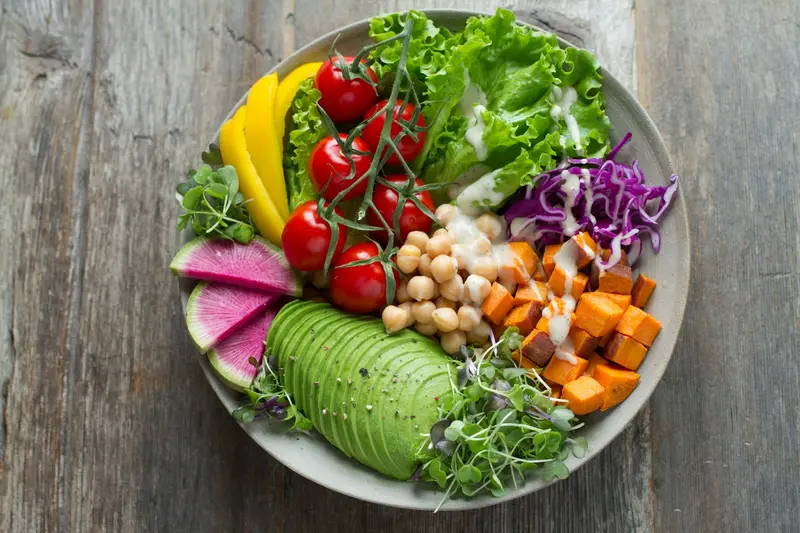
A simple formula for filling lunches: greens, protein, whole grains, healthy fat and something crunchy.
Nutrition
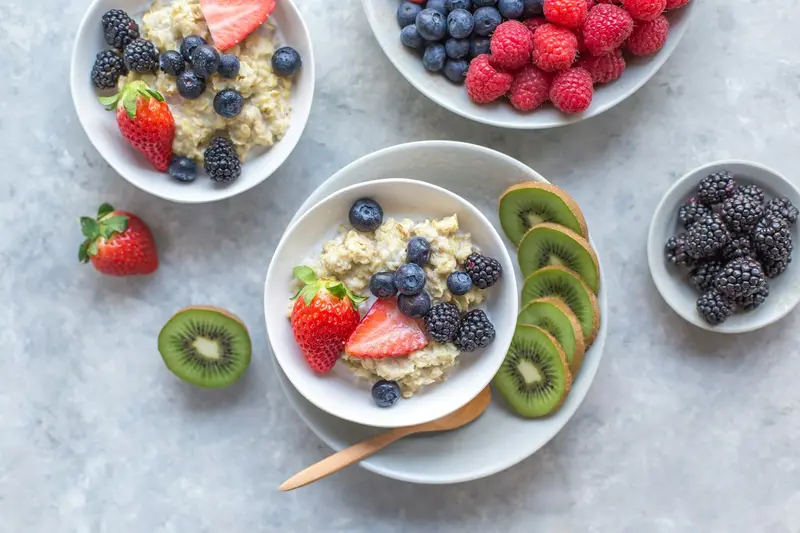
A no-cook, high-fibre breakfast you make the night before. One base recipe and four easy flavour ideas.
Loading comments…